
Insulin Resistance Diet: How Citrus Compounds Are Rewiring Your Body to Fight Diabesity
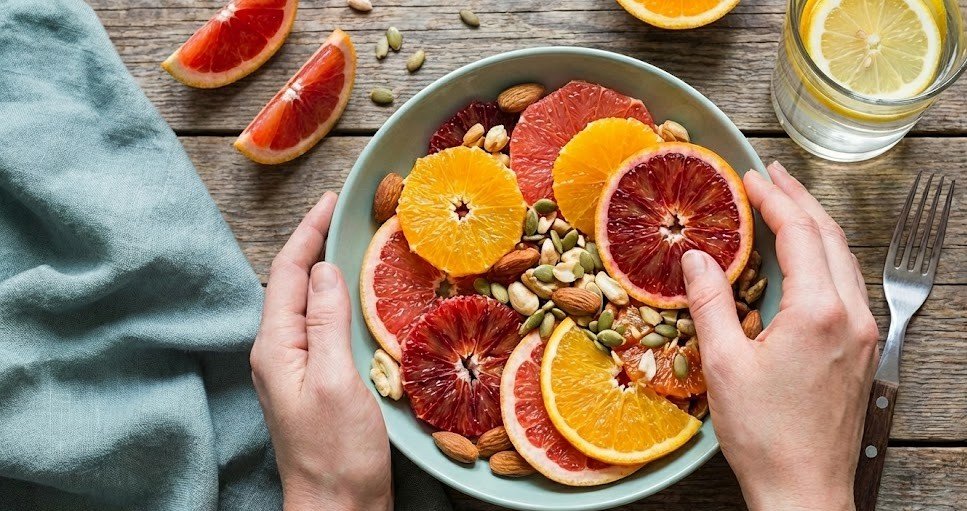
Insulin Resistance Behind The Silent Pandemic of Obesity Induced Type 2 Diabetes or Diabesity
It usually starts quietly. You may notice a rising girth, a modest change in your blood sugar levels during a normal checkup, or a growing sense of daily exhaustion. Behind these seemingly insignificant indications lies a global biological crisis: the relentless growth of obesity-induced Type 2 Diabetes. This twin epidemic, now generally known as “diabesity,” has evolved into a full-fledged metabolic pandemic.
Today, hundreds of millions of people suffer from obesity and diabetes, and many are looking for a long-term insulin resistance diet to help them recover control. Conventional medications frequently treat disease symptoms while essentially ignoring the underlying networks of physical malfunction. However, researchers have identified a promising frontier in an unexpected place: the peels and juices of common citrus fruits. These fruits include chemicals that function as master regulators, providing a scientific basis for a modern insulin resistance diet that goes beyond simply reducing calories.
How To Design Your Insulin Resitance Diet?
Designing an efficient insulin resistance diet demands a fundamental shift in how we see body weight. It’s not only about the numbers on a scale; it’s about controlling the behaviour of our internal tissues. For a long time, many people regarded of fat as a simple storage container for excess energy. Science now demonstrates that fat is an active and communicating organ. When we consume more than we need for a long time, our fat cells develop so quickly that they outgrow their own oxygen and blood supply. This causes cellular respiratory distress, which fundamentally alters how our bodies process sugar.
This metabolic stress converts once-quiet fat cells into “angry” tissues that emit continual chemical warning messages. These messages activate immune cells, transforming your body into an internal battleground for chronic inflammation. This continual state of awareness is the fundamental reason why your cells stop responding to insulin appropriately. As a result, any effective insulin resistance diet should focus on foods that calm the inflammatory storm while also providing the nutrients required to heal these stressed systems. Choosing the proper nutritional intake is the first step toward restoring metabolic balance.
Your Insulin Resistance Diet & Citrus Polyphenols
When blood sugar levels rise, it may appear that the story of metabolic health is a one-way track of cellular death. However, nature provides a potent means to fight back through a specific collection of molecules found in citrus fruits that you most likely already have in your kitchen. When it comes to improving your insulin resistance diet, recognising these natural heroes is essential. These molecules, known as polyphenols, are abundant in the peels, seeds, and luscious flesh of oranges, grapefruits, lemons, and tangerines. The most notable of these are hesperidin, naringenin, nobiletin, and tangeretin and many more. These are not ordinary nutrients. They are complex molecules that have the unique capacity to communicate with your cells and impact their behaviour.
Standard pharmacological medications frequently behave as blunt instruments since they typically target only one specific symptom or biochemical route. This can be analogous to attempting to repair a complex machine by twisting only one screw and neglecting the rest of the engine. Citrus polyphenols, on the other hand, are precise modulators that can perform multiple functions. They interact with your entire metabolic network using a process known as metabolic reprogramming. This implies they don’t simply conceal the symptoms of high blood sugar. Instead, they seek to rewire your damaged cells from the inside out. They assist to cool the fires of inflammation and repair the broken energy engines in your cells, which is why they are such an effective addition to your insulin resistance diet.
Key Citrus Polyphenols for Metabolic Reprogramming That You Must Have In Your Insulin Resistance Diet
Name | Primary Citrus Sources | Biological Effect |
Hesperidin | Sweet oranges, lemons, and limes (concentrated in the peel and white pith). | Reduces systemic inflammation, improves blood flow through vessels, and helps lower liver fat. |
Naringenin | Grapefruit, bergamot, and sour oranges. | Stimulates the creation of new cellular “engines” (mitochondria) and improves how muscles absorb sugar. |
Nobiletin | Tangerines, mandarins, and orange peels. | Acts as a powerful guard against weight gain and prevents the liver from pumping out excess “bad” fats. |
Tangeretin | Tangerine and mandarin peels. | Protects the brain and nervous system from metabolic stress and supports healthy cholesterol levels. |
Naringin | Grapefruit (gives it the bitter taste) and bergamot. | Acts as a “circuit breaker” for inflammation by turning off the master switch (NF-kappa B) in fat cells. |
Neoeriocitrin | Bergamot and lemons. | Improves glucose metabolism and helps the body process fats with an efficacy similar to some medications. |
Nehesperidin | Bergamot and bitter oranges. | Neutralizes cellular pollution (free radicals) and protects the insulin-producing cells in the pancreas. |
Insulin Resistance Diet Strategy: The Role of Citrus Polyphenols in Metabolic Health
1. Turning off the inflammation switch
Citrus polyphenols can repair the body in a variety of ways, including serving as molecular circuit breakers for chronic inflammation. Inflammation can be viewed as an internal fire that makes it harder to stick to an effective insulin resistance diet. NF-κB, a master protein, is key to the inflammatory storm in our fat cells. This protein works as a key switch, activating the synthesis of inflammatory chemicals. When you ingest too many calories, this switch becomes locked in the “on” position, causing your fat tissue to release distress messages into your bloodstream.
Citrus chemicals such as naringin and hesperidin have been proven to directly inhibit this switch from activating. These natural chemicals prevent fat cells from causing systemic disorder by keeping the NF-κB switch in the “off” position. Clinical studies in humans show that ingesting citrus bioflavonoid complexes greatly reduces the amount of inflammatory markers in your system. When the inflammation is reduced, the noise that is preventing your cells from functioning is removed. Your insulin receptors can now hear the insulin signal again. This allows glucose to exit the bloodstream and enter cells, where it belongs. Citrus fruits provide an important foundation for any insulin resistance diet by silencing these warnings, allowing your body to properly manage blood sugar.
2. Restoring Powerhouses and Protein Factories
Citrus polyphenols do more than only function as antioxidants that remove cellular pollutants; they also instruct your cells to rebuild themselves from the ground up. The interior mechanism of a body suffering from metabolic disorders is frequently damaged. When citrus chemicals reach your system, they activate specific genetic pathways, such as the Nrf2 pathway. This route directs the cell to produce its own natural antioxidant enzymes. This results in a built-in defence mechanism that is far more effective than simply taking generic vitamins. It is an essential component of a long-term insulin resistance diet because it allows your cells to defend themselves from future stressors.
Furthermore, substances like naringenin promote mitochondrial biogenesis. This is the biological process of developing new, highly efficient engines to replace old, leaky ones that cause fatigue and weight gain. They also serve to stabilise the stressed endoplasmic reticulum, which we previously defined as the cell’s protein factory. Citrus polyphenols prevent cells from commencing a self-destructive process by suppressing the factory alarm system. This guarantees that your liver and muscle cells can survive and operate correctly even when exposed to the stress of excess calories. When your cellular powerhouses are operating at peak efficiency, your body may resume correct fuel combustion. A well-planned insulin resistance diet attempts to restore your cells from slow storage units to dynamic motors.
3. Healing the pancreas and balancing cholesterol
Citrus polyphenols are systemic reprogrammers, so their therapeutic properties go well beyond your muscles and liver. They help safeguard your weak pancreas and cardiovascular system, which are frequently the hardest damaged during metabolic decline. Citrus chemicals protect insulin-producing β-cells in the pancreas by reducing free radicals and cellular stress. In many situations of advanced metabolic distress, these cells are simply worn out from working hard. Protecting them is a primary objective for any insulin resistance diet because if these cells are lost, the body loses its capacity to regulate sugar completely.
Furthermore, these fruits play an important function in how your body processes fat and cholesterol. Bad cholesterol particles such as VLDL and LDL are frequently present in diabetic patients, causing inflammation in the blood vessels. Citrus chemicals like hesperidin and nobiletin have been demonstrated to prevent the liver from removing these harmful lipids. At the same time, they improve the function of HDL, also known as the “good” cholesterol. Citrus polyphenols provide significant protection for your heart and arteries by addressing both the amount and toxicity of fat in the circulation. This dual action makes them a crucial component of an insulin resistance diet, guaranteeing that while you fix your blood sugar, you are also protecting your entire cardiovascular network against the problems of diabetes.
4. From the Lab to Your Helping Hand: Real Clinical Evidence
While the deep cellular biology is fascinating, the final question is if this is practical for individuals in the real world. The answer is an emphatic yes. While large-scale experiments are still underway, a wealth of clinical evidence indicates that citrus-driven metabolic reprogramming successfully transfers from the laboratory to human health. This research offers us confidence that incorporating these fruits into an insulin resistance diet is supported by more than just theory. In clinical trials, individuals who received hesperidin experienced considerably reduced inflammation and enhanced blood vessel function. These are actual, measurable changes that influence how you feel every day.
Another notable study found that people with prediabetes and high cholesterol who took a bergamot polyphenolic fraction had improved glucose metabolism and lower bad cholesterol. These findings were equivalent to pharmaceutical statin treatments, but without the unpleasant side effects that are common with synthetic statins. Furthermore, research on fatty liver disease have shown that hesperidin administration paired with simple lifestyle adjustments can reduce liver fat by an impressive 22% while also promoting significant weight loss. This evidence shows that these natural substances have the potential to improve your health. By incorporating these results into your insulin resistance diet, you are employing a scientifically validated method for reclaiming your metabolic health and returning your body to its normal state of balance.
Reclaiming Your Balance: The Future of Your Insulin Resistance Diet
In the complicated orchestra of human biology, metabolic health is dependent on flawless rhythm and communication between our organs and cells. When faced with the obstacles of obesity and diabetes, that rhythm breaks down completely. Your body’s once-synchronized network devolved into a chaotic storm of toxic fat, severe oxidative stress, and failed insulin production. This breakdown is precisely what a well-planned insulin resistance diet seeks to address by restoring communication between your liver, muscles, and adipose tissue.
In the face of this metabolic dissonance, citrus-derived polyphenols serve as substantial answers rather than dull medicinal weapons. By include these chemicals in your insulin resistance diet, you are supplying your body with master regulators who understand the language of your cells. These natural compounds restore balance at all levels of biology, from rewiring cellular powerhouses to suppressing inflammatory warnings. They demonstrate that nutritional networks have the potential to radically alter the course of metabolic disease in ways that individual synthetic drugs frequently cannot.
While these fruits are not a cure-all that will substitute a healthy lifestyle, clinical research suggests that they can help your body return to its natural balance. If food is information for our bodies, then the ordinary citrus orchard offers a potent code for reprogramming your metabolism. Understanding how these natural tools support an insulin resistance diet is the first step toward reclaiming your health from the shackles of the diabetes epidemic. Applying these scientific discoveries can lead to a future of metabolic clarity and wellness.